
Bean Bible
An ultimate guide to all your questions on legume cookery

This Guide will answer all your bean questions:
Should you soak your beans? — It’s complicated
What does soaking your beans do? — Shortens cook time and so much more
How long should I cook my beans? — Never eat an undercooked bean
Can you salt your beans before cooking? — Yes!
How to reduce gas with beans? — Is it the beans or is it you? See more below
How to store beans?
Can you freeze beans? — Of course!
And so much more…
If this is your first time here, welcome. I’m Bean Supporter, a bean chef, recipe developer, and lover. Since I’ve found you searching how to cook beans from dry, I think it’s time you pull up a chair and subscribe to the wonderous world of the luxury of legumes
Naturally, the question I’m asked most often is: how do you cook beans from dry?
My true answer: I listen to my beans. It always depends on the varietal, the harvest date, and the use case, but listening to your beans is not very helpful, so over the past year I’ve decided to take my bean insights and make them replicable.
I come to you with the ultimate guide to a perfect bean from dry every time.
One note: I use the word bean, as I am Bean Supporter, but this is a guide for all pulses (beans, lentils, chickpeas). Please use this as your guide for all of your soluble fiber needs.
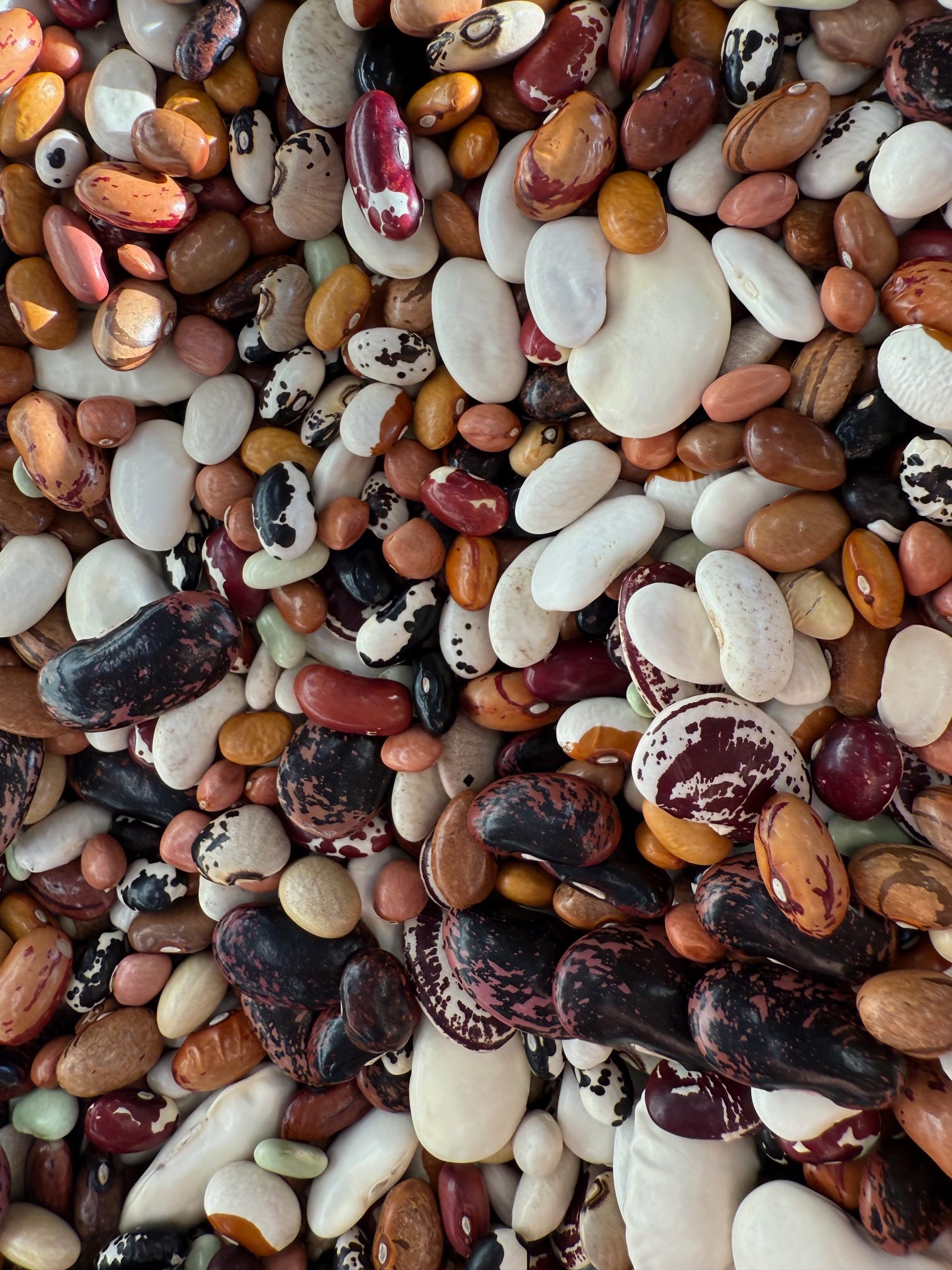
To Soak or Not to Soak:
One common thing I see on the internet is that you NEED to soak your beans.
Let’s go into this:
Why soak your beans?
Soaking your beans reduces the cook time, especially with less fresh beans, often cutting cooking time in half, if not even less. With soaked beans, you can get a dry bean to perfection in about an hour in a Dutch oven on the stovetop. This is unheard of with conventional unsoaked beans on the stove.
Aside from cook time, there are also digestive benefits to soaking one’s beans. Soaking beans/pulses (yes, lentils too) releases oligosaccharides, which are indigestible sugars in beans that often cause gas.
For those that say beans are antinutrients, soaking beans releases phytic acid in beans, as well as lectins, so any lowered nutrient absorption worries and potential toxins become moot. Please stop spreading bean slander that is unresearched and based on a single fear-mongering social media person pressing for views (xoxo, your favorite bean influencer).
How Long Should I Soak?
This question is tricky; it depends on the freshness and varietal of your beans. My blanket statement is overnight.
For conventional grocery beans, I personally like a soak of at least 24 hours, changing out my soaking water after about 12.
For more heirloom beans, a soak as short as 4 hours can be enough, but for peak oligosaccharide mitigation, soak for 8–12 hours. This is also the case for lentils.
If this long of a soak is not in your cards, there is also a “quick soak” that involves boiling beans for 3 minutes, then turning off the heat, letting the beans sit in the water for an hour, and then draining that initial water, just as you would with normal soaked beans before cooking.
When not to soak?
I eat beans like they are water. My stomach is an iron-clad bean machine, and with certain beans that make a sensational broth, like a Rio Zape bean, I’ve bean known to cook from dry to make sure all the amazing bean flavor makes its way into the broth.
I also sometimes forget to soak my beans, and nothing will stop me from eating beans, so no soak, no problem. Game on, it’s bean time.
How to Cook your Beans:
To me, there are three main options: Stove Top, Instant Pot, VitaClay
Stove Top:
This is my original and tried-and-true method. A few years ago in Belgium, I found a Cousances Dutch oven on the street, used my limited French to negotiate the price, carried it around the streets of Brussels for 7 hours, took it on a train back to France, and flew it back to the States in the single backpack I was traveling with to make beans. My commitment to the perfect Dutch Oven is almost as high as my commitment to beans.
If you don’t have a Dutch oven, I really recommend investing in one. I own a few. My favorite that I currently have is my Staub. I also have a Lodge that is a great, more affordable option, and I’m trying to find a way to justify the purchase of a Smithey.
Once you have your Dutch oven, take your soaked beans, make sure to drain and rinse them, and add them to your pot with ~2 inches of liquid covering them. This liquid is up to you. It can be broth or water; just make sure it is nothing acidic.
The next step is controversial: I add all my seasonings to my bean pot before turning up the heat. I tend to add things like bay leaf, large chunks of yellow onion, and garlic cloves as a base, and adjust seasoning from there based on what type of dish I am making.
Bring the pot with beans and seasonings in it to a boil. Let it boil for about 15 minutes before turning down the heat to a simmer for the next 1–2 hours,* depending on the freshness of your beans. Some beans I’ve found cook in as little as 30 minutes.
*For lentils, this time is MUCH lower. Soaked red lentils cook in ~3 minutes, and ~10 minutes for other lentil varietals when soaked.
Instant Pot:
While I believe this is one of the most popular methods, it is by far my least favorite. That being said, it is very convenient, which is super nice.
I did some trials, and I’ve found it really depends on the size of your bean. For a pound of soaked beans, I use about 6 cups of liquid. For this, cook time depends on the size of the beans. Smaller beans I do for about 10 minutes, larger beans I do for about 15 minutes, and lentils I’ve never even tried in here.
Per usual, add all of the seasonings to your pot before you put the pressure on, and all of these call for a natural release. Size and freshness of beans make a big difference.
For unsoaked beans, the cook time is typically 20–40 minutes, depending on the size and freshness of your bean.
VitaClay:
This method is my newest, but I must say I am in love. While a stovetop bean will always be my favorite method of cooking beans, sometimes life is really busy. Sometimes I need to cook up pounds of beans to make you all new bean delights, but I also need to teach a fitness class, buy a new pot on FB Marketplace, get lost in Excel spreadsheets, or sew a new dress.
The VitaClay has changed my life. When I had once feared that I would have to switch to canned beans for my R&D based on the frequency at which I use beans, I am now able to cook with pressure-cooker effort without pressure-cooker anxiety.
You can use my discount code “Bean10” for 10% off.
Soak them overnight; I tend to do a 12–24 hour soak on my beans, then drain the soaking liquid. Add the beans to your pot (in my case, a clay pot). Chop your 1/2 onion into quarters, smash your garlic cloves, and add broth and spices. I use 1 lb of beans for 6 cups of water. Turn the VitaClay on to the stew setting for 2 hours, and your beans are done! If you are away longer, it switches to a warming setting and keeps your beans food-safe and warm for when you are ready.
My Beans are Hard What Happened?
One common misconception is that you cannot salt your beans before they are finished cooking. While this is a myth, this statement is true for acid.
Please add all acid sources after your beans have reached your desired texture, as acid sources such as tomato, wine, vinegar, and citrus will strengthen the pectin in the beans’ outer walls, making them harder to cook and keeping them tough.
While acid is a bean’s best friend, this statement only remains true after the beans have finished cooking.
How To Avoid Gas with Beans:
As a woman whose career is in beans, I eat a lot of them. The first question I always get is how gassy I am.
If I’m eating beans, I’m not gassy. Before you try to call this a bluff, let me tell you that 95% of Americans are said to be deficient in fiber. Since I likely get a minimum of 45 grams a day, I do not fall into this camp.
My body is a well-oiled soluble fiber machine. So when I eat beans, my body and gut are healthy and can handle them. If you are new to beans, your body may be waking up to getting the fiber you need, and the gas might be your body’s way of telling you that this is what has been missing. I recommend starting slow and increasing your bean intake over time.
Another factor is making sure to soak your beans and lentils, as mentioned in the soaking section, and lastly, the secret agent is…
Kombu:
Kombu is a type of kelp that contains enzymes that help break down some of the complex sugars in beans that often lead to pain or indigestion.
Outside of making you feel better, the kombu also makes the beans taste better, adding a rich umami flavor, as well as plenty of iodine and trace minerals, boosting the nutrient density of your beans.
How to Store Your Beans:
Beans can be stored in the fridge for 5 days or in the freezer for 6+ months. How you store them is up to you. I use glass jars, but I think I should probably tell you to use something like Souper Cubes. I just am so against buying things it hurts, but I also sometimes have glass jars fly out of my overstuffed freezer and shatter on the floor. I am not the best practice in bean storage, rather a woman with a passion for soluble fiber and planetary health.
Favorite Bean Recipes:
Best Beans of 2025
Cabbagio e Pepe
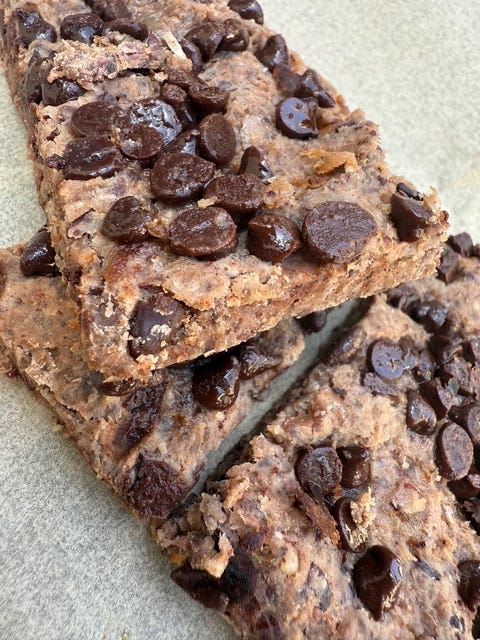
Protbean Bars: Bean Protein Bars
Flourless Chocolate Cake
Chinese Chickpea Salad
Lemon Cardamom Lentil Granola
Mung Bean Scallion Waffles
Favorite Bean Products:
There are so many great beans on the market, and things made with beans.
Some of my favorite include:
Beans (Dry Beans)
There are so many great beans on the market, but my favorite easily orderable, available nation wide bean is Primary Beans (Iacopi Farm are also sensational but harder to get your hands on). They have unique varietals, and they even feature a harvest date so you know just how fresh your beans are. All of their beans are pesticide free, which is important to me, and most importantly taste awesome.
Use: BEANSUPPORTER15 to get 15% off at checkout
Protein Powder
I’m not a huge protein powder girl, nor a big smoothie drinker, but this all changed when I started adding beans to my smoothies. If you want a bit more of a protein boost than beans alone, I really like this bean based protein powder (made of fava beans).
Use: BEANSUPPORTER15 to get 15% off at checkout
Accessible Grocery
I went to college in Maine, where I didn’t have access to an abundance of groceries, nor resources. That is where my bean journey began. My Thrive market membership really allowed me to access the beans I desired at prices I could afford.
Link gives you $20 off your first 3 orders as well as a sign up gift valued at up to $60.
Favorite Cookware for Making Beans:
Bean Cooker
For cooking beans, there are many methods I love, and you can see my favorite cookware in the “Cooks” Section, but for easy beans my VitaClay has truly changed my life. Outside of beans, I work three jobs, and often find myself running around. With my love of sustainability, living as low waste as possible, and avoiding plastics, canned beans aren’t my favorite option, but I’ve had to shift a bit to be able make all my recipes. Then I discovered my VitaClay. It is all the ease of an Instapot without making me scared of the pressure release valve or over overcooking my beans. Best yet, it’s also cooked in unglazed earthenware so it is a return to ancient cooking techniques and flavor.
Use: BEAN10 for 10% off
Microplane:
This is under $20, and the best for all zesting. Garlic, ginger, lemons, limes, spices — I’m Microplaning them. You might say that is not a real verb, but to me it is. I use my Microplane maybe daily? Cinnamon on my potion — microplane, zesty gut bowl, Microplane. You get it.
My Favorite Pan:
So we have one pot, now we have one pan. The All-Clad Copper Core D-5 Skillet is the best purchase I ever made. I bought this pan about 2 years ago as a holiday gift to myself as a way to signal to myself that I was worth nice things. The heat is so even, the sear is amazing, and it is non toxic, and non stick as long as you know how to cook in stainless (comment below if we are looking for an article on that).
The Only Pot I Use:
If I were to only use one pot for the rest of my life it is my Staub Dutch oven, especially in white truffle. The shade is timeless, the cookery is excellent, and I can’t stain the inside with all the turmeric I use. Yes I have tried Le Creuset, yes I own one, I am team Staub. Also, it is on a super sale right not for sub $300 for the 7-quart, so give the gift of love and soup this holiday season.
Blender:
The most common tool I use in my kitchen, maybe even more than a knife, is a blender. For me my blender being stainless steel is essential. I personally don’t love the idea of hot foods and sharp items knocking around in plastic. I own the stainless steel Vitamix Blender but I have found my BEAST blender in stainless steel to also be pretty incredible for about 1/4 of the price.
Use this Link to get 15% off any Beast model
Want more of my favorites? Check out my ShopMy
Lastly…. the question on everyone’s minds:
Are canned beans okay???
Yes. Yes, they are.
What about the PFAs in the can?
To that I say: if we spend every second in fear over our food, how will we ever live? If the thing blocking you from your bean journey is the process of cooking beans and the fear of cans, let me tell you: any beans are better than no beans.
The can will be just fine.
If you aren’t ready to start in the world of dry beans, that is really okay.
So as always, eat beans without rules, without fear, and remember to tell someone that you love them…
But maybe this time by making them a science-backed pot of dried beans.
Xoxo,
Bean Supporter
Thank you for this all-encompassing guide!!!🫘
When do you add kombu?